


Energy efficiency is a crucial factor in the contemporary world, especially in the realm of building automation and HVAC (Heating, Ventilation, and Air Conditioning) systems. As a supplier of non fail-safe damper actuators, I'm often asked about the energy efficiency of these devices. In this blog, I'll delve into the concept of energy efficiency in non fail-safe damper actuators, explaining what it means, how it's measured, and the benefits it offers.
Understanding Non Fail-Safe Damper Actuators
Before we discuss energy efficiency, it's essential to understand what non fail-safe damper actuators are. A damper actuator is a device that controls the movement of dampers in HVAC systems. Dampers are used to regulate the flow of air in ducts, which is critical for maintaining proper ventilation, temperature, and air quality in buildings.
Non fail-safe damper actuators do not have a predefined position in case of power failure. Unlike fail-safe actuators, which typically return to a specific position (such as fully open or fully closed) when power is lost, non fail-safe actuators remain in their last commanded position. This makes them suitable for applications where maintaining the current damper position during a power outage is acceptable or even desirable.
What is Energy Efficiency in Non Fail-Safe Damper Actuators?
Energy efficiency in non fail-safe damper actuators refers to the ability of these devices to perform their intended function while consuming the minimum amount of energy. In other words, it's about achieving the desired level of air flow control with the least amount of power input.
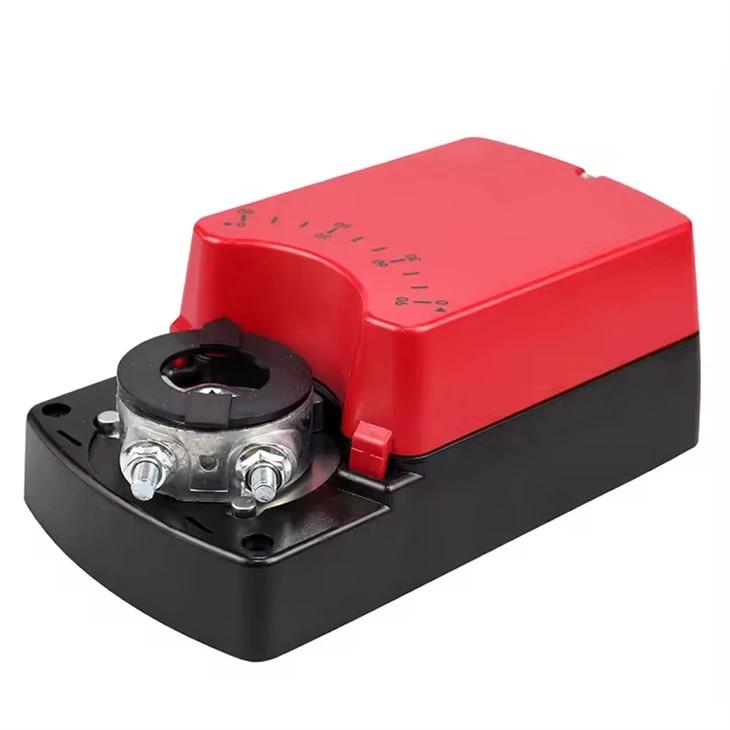
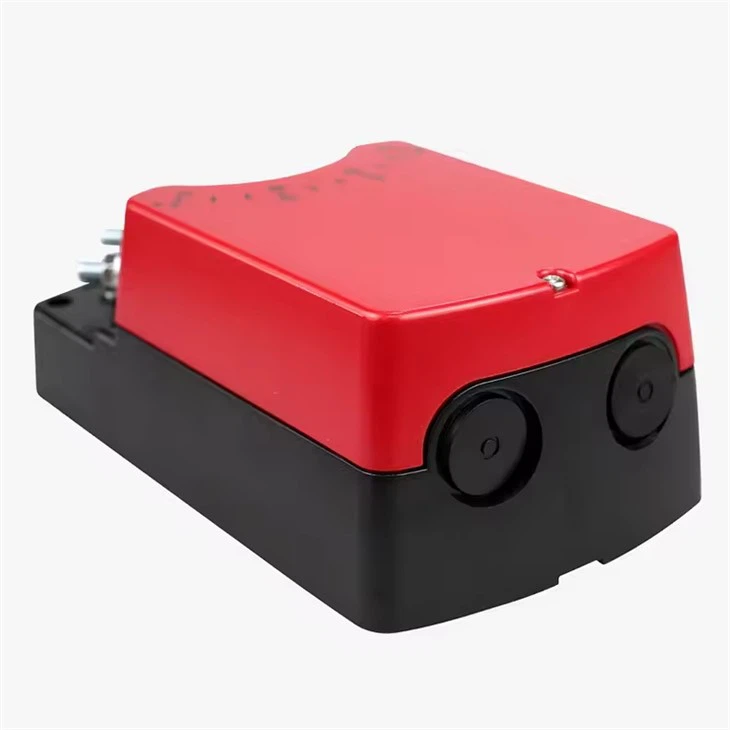
There are several factors that contribute to the energy efficiency of non fail-safe damper actuators:
- Motor Efficiency: The motor is the heart of the damper actuator. High - efficiency motors convert a larger percentage of electrical energy into mechanical energy, reducing wasted energy in the form of heat. For example, some modern motors use advanced magnetic materials and design techniques to improve their efficiency.
- Control Strategy: The way the actuator is controlled can significantly impact its energy consumption. For instance, using a modulating control strategy allows the actuator to adjust the damper position gradually, rather than simply turning it on or off. This can result in more precise air flow control and reduced energy usage. Our Standard Damper Actuator 8nm/16nm/24nm(24) Mondulating is designed with a modulating control feature, which helps in optimizing energy efficiency.
- Friction and Resistance: Minimizing friction and resistance within the actuator mechanism is essential for energy efficiency. This can be achieved through proper lubrication, high - quality bearings, and well - designed gears. Actuators with low friction require less energy to operate, as less power is wasted in overcoming mechanical resistance.
- Load Management: Understanding the load requirements of the damper is crucial. Oversized actuators can consume more energy than necessary, while undersized actuators may not be able to achieve the desired performance. By carefully selecting the appropriate actuator for the damper load, energy efficiency can be improved.
Measuring Energy Efficiency
There are several ways to measure the energy efficiency of non fail - safe damper actuators:
- Power Consumption: This is the most straightforward measure. It involves measuring the electrical power consumed by the actuator during normal operation. Lower power consumption indicates higher energy efficiency. However, it's important to consider the performance of the actuator as well, as simply reducing power may sacrifice functionality.
- Coefficient of Performance (COP): In some cases, the COP can be used to evaluate the energy efficiency of damper actuators. The COP is the ratio of the useful output (such as the amount of air flow adjusted) to the energy input. A higher COP means that the actuator is more efficient in converting energy into useful work.
- Energy Savings Over Time: Another way to assess energy efficiency is to measure the energy savings over a period of time. By comparing the energy consumption of a building with and without energy - efficient damper actuators, it's possible to quantify the savings. This approach takes into account the real - world operating conditions and the interaction with other components of the HVAC system.
Benefits of Energy - Efficient Non Fail - Safe Damper Actuators
- Lower Energy Costs: The most obvious benefit is the reduction in energy costs. By using less energy to operate the dampers, building owners can save on their electricity bills. Over the long term, these savings can be significant, especially in large commercial or industrial buildings with multiple HVAC systems.
- Environmental Sustainability: Energy - efficient damper actuators contribute to a more sustainable environment. By reducing energy consumption, they help to lower greenhouse gas emissions associated with electricity generation. This is in line with global efforts to combat climate change and promote sustainable building practices.
- Improved System Performance: Energy - efficient actuators are often designed to provide more precise control. This can lead to better regulation of air flow, temperature, and air quality in buildings. As a result, occupants may experience increased comfort, and the overall performance of the HVAC system can be enhanced.
- Longer Lifespan: Since energy - efficient actuators typically operate with less stress on their components, they tend to have a longer lifespan. This reduces the frequency of actuator replacements, saving on maintenance and replacement costs.
Our Product Portfolio and Energy Efficiency
At our company, we offer a range of non fail - safe damper actuators that are designed with energy efficiency in mind. Our Standard Damper Actuator 4nm/6nm On/off and Standard Damper Actuator 8nm/16nm/24nm(24) On/off models are engineered to provide reliable and efficient performance.
These actuators feature high - efficiency motors, advanced control strategies, and low - friction mechanisms. Our R & D team is constantly working on improving the energy efficiency of our products, incorporating the latest technologies and design principles.
Conclusion and Call to Action
In summary, the energy efficiency of non fail - safe damper actuators is a critical aspect that can have a significant impact on building energy consumption, costs, and environmental sustainability. By understanding the factors that contribute to energy efficiency and choosing the right products, building owners and managers can achieve optimal performance from their HVAC systems.
If you're looking for high - quality, energy - efficient non fail - safe damper actuators for your building project, we're here to help. Our team of experts can provide you with detailed product information, technical support, and solutions tailored to your specific needs. We invite you to contact us to learn more about our products and start a discussion on how we can assist you in your procurement process.
References
- ASHRAE Handbook - HVAC Systems and Equipment. American Society of Heating, Refrigerating and Air - Conditioning Engineers.
- EN 15217:2007. Building Automation and Control Systems - Dampers and Damper Actuators. European Committee for Standardization.
- DOE Energy Efficiency and Renewable Energy. Guidelines for Energy - Efficient Building Design. U.S. Department of Energy.


