


Maintaining a fan coil valve is crucial for ensuring its optimal performance, longevity, and reliability in a heating, ventilation, and air - conditioning (HVAC) system. As a fan coil valve supplier, I've witnessed firsthand the importance of proper maintenance and the impact it can have on the overall operation of HVAC systems in various settings. In this blog, I'll share some valuable insights and practical tips on how to maintain a fan coil valve effectively.
Understanding Fan Coil Valves
Before delving into maintenance procedures, it's essential to understand the basic types and functions of fan coil valves. Fan coil valves are used to control the flow of water or other heat - transfer fluids in a fan coil unit, which is a key component of many HVAC systems. Common types include 2 - way and 3 - way valves, and they can operate on different voltages such as 110V or 230V.
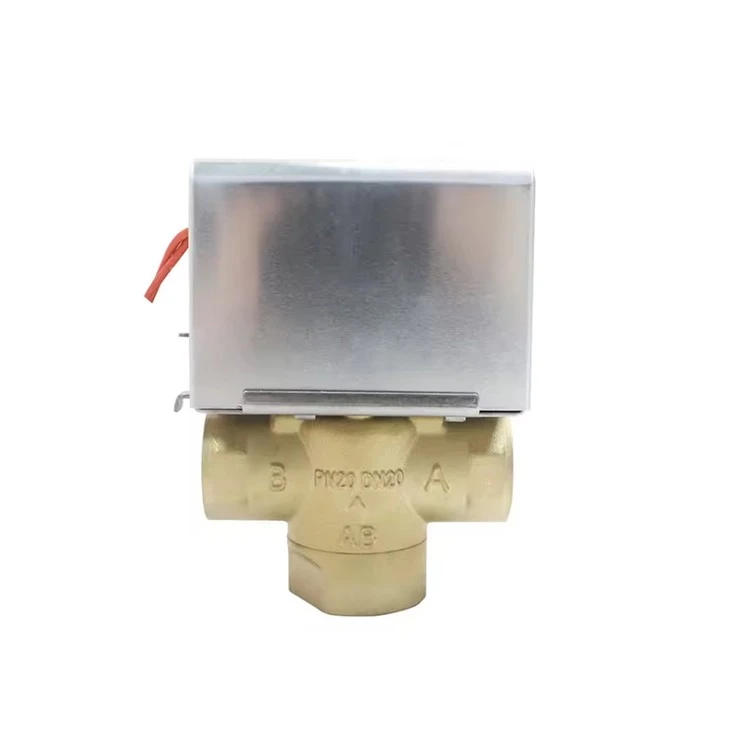

- 230v Fan Coil Motorized 3 - way Valve: This type of valve is designed to regulate the flow of fluid in three directions, allowing for more complex control of the HVAC system. It can divert the flow between different circuits or mix fluids from multiple sources.
- 230v Fan Coil Motorized 2 - way Valve: A 2 - way valve simply opens or closes to control the on - off flow of the fluid. It's commonly used in situations where a basic on - off control is sufficient.
- 110v Fan Coil Motorized 3 - way Valve: Similar to the 230V 3 - way valve, but operating on a lower voltage, it provides flexibility in systems where 110V power is more readily available.
Regular Inspection
Regular inspection is the first step in maintaining a fan coil valve. This should be done at least once a year, or more frequently in high - usage or critical applications.
- Visual Inspection: Start by visually examining the valve for any signs of damage, such as leaks, cracks, or corrosion. Check the valve body, the connections to the pipes, and the motor or actuator. Look for any signs of fluid leakage around the valve stem or seals. A small leak can indicate a worn - out seal that needs to be replaced.
- Functionality Check: Operate the valve manually if possible. For motorized valves, check that the actuator moves smoothly and that the valve opens and closes fully. If there is any resistance or the valve doesn't reach its fully open or closed position, it could be a sign of a mechanical problem or a malfunctioning actuator.
- Electrical Components: For motorized valves, inspect the electrical wiring and connections. Look for frayed wires, loose connections, or signs of overheating. A faulty electrical connection can cause the valve to malfunction or even lead to a safety hazard. Use a multimeter to check the electrical resistance and continuity of the motor and actuator circuits.
Cleaning and Lubrication
Proper cleaning and lubrication can significantly extend the life of a fan coil valve.
- Removing Debris: Over time, debris such as dirt, sediment, and rust can accumulate inside the valve, affecting its performance. Use a soft brush or compressed air to remove any visible debris from the exterior of the valve. For internal cleaning, it may be necessary to remove the valve from the system and flush it with clean water. However, this should only be done by a qualified technician to avoid damage.
- Lubrication: Lubricate the moving parts of the valve, such as the valve stem and the actuator mechanism. Use a lubricant recommended by the valve manufacturer. Applying lubricant at regular intervals can reduce friction, prevent wear and tear, and ensure smooth operation of the valve.
replacing Worn - out Parts
Even with proper maintenance, some parts of the fan coil valve will eventually wear out and need to be replaced.
- Seals and Gaskets: Seals and gaskets are critical components that prevent fluid leakage. Inspect them regularly for signs of wear, such as cracks or deformation. If a seal or gasket is damaged, replace it immediately to avoid leaks.
- Actuator and Motor: The actuator and motor are responsible for opening and closing the valve. If they show signs of malfunction, such as slow operation, strange noises, or failure to respond to control signals, they should be replaced. Always use genuine replacement parts from the valve manufacturer to ensure compatibility and performance.
Calibration and Adjustment
Periodically calibrating and adjusting the fan coil valve is essential to maintain its accuracy and efficiency.
- Flow Rate Adjustment: Check the flow rate of the fluid through the valve and adjust it if necessary. This may involve adjusting the valve's opening percentage or the control settings of the actuator. Use a flow meter to measure the flow rate accurately.
- Temperature Control: In systems where the valve is used for temperature control, verify that the temperature sensing element is working correctly and that the valve is adjusting the flow of the heat - transfer fluid in response to changes in temperature. Calibrate the temperature control settings according to the specifications of the HVAC system.
Environmental Considerations
The environment in which the fan coil valve operates can also affect its performance and lifespan.
- Temperature and Humidity: Extreme temperatures and high humidity can cause damage to the valve's electrical components and exacerbate corrosion. Ensure that the valve is installed in an environment with appropriate temperature and humidity levels. If necessary, use insulation or ventilation to protect the valve from adverse environmental conditions.
- Chemical Exposure: Some HVAC systems use chemicals in the heat - transfer fluid, which can be corrosive to the valve. If the valve is exposed to such chemicals, use a valve made of materials that are resistant to chemical attack. Regularly monitor the chemical composition of the fluid and take appropriate measures to maintain its compatibility with the valve.
Training and Documentation
Proper maintenance of fan coil valves requires trained personnel. Provide training to the maintenance staff on how to inspect, clean, and repair the valves. Keep detailed documentation of all maintenance activities, including inspection reports, repairs, and replacement of parts. This documentation can help in identifying recurring problems, scheduling future maintenance, and ensuring compliance with safety and regulatory requirements.
Contact for Purchase and Consultation
Maintaining fan coil valves is a complex but essential task that can save you time and money in the long run. If you're looking for high - quality fan coil valves for your HVAC system or need more information on maintenance, feel free to contact us. We're here to provide you with the best products and professional advice.
References
- ASHRAE Handbook - HVAC Systems and Equipment
- Manufacturer's manuals for fan coil valves
- Industry standards and guidelines for HVAC maintenance


