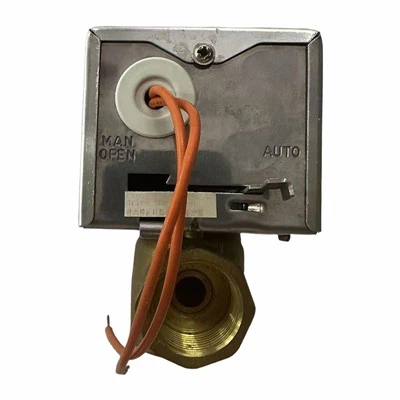
As a supplier of fire smoke actuators, I often encounter inquiries about the calibration process of these crucial safety components. Calibration is an essential step in ensuring the reliable and accurate operation of fire smoke actuators, which play a vital role in fire and smoke control systems. In this blog post, I will delve into the calibration process for fire smoke actuators, shedding light on its importance and the steps involved.
Understanding the Importance of Calibration
Fire smoke actuators are designed to control the opening and closing of dampers in ventilation systems during a fire or smoke event. These actuators must respond promptly and accurately to signals from fire and smoke detection systems to prevent the spread of smoke and fire throughout a building. Calibration ensures that the actuators operate within the specified parameters, guaranteeing their reliability and effectiveness in emergency situations.
Inaccurate calibration can lead to a variety of issues, including delayed or improper damper operation, which can compromise the safety of building occupants. By calibrating fire smoke actuators regularly, building owners and facility managers can minimize the risk of system failures and ensure compliance with relevant safety standards and regulations.
The Calibration Process
The calibration process for fire smoke actuators typically involves several key steps, each of which is crucial for ensuring the proper functioning of the actuators. Here is a detailed overview of the calibration process:
Step 1: Inspection and Preparation
Before beginning the calibration process, it is essential to inspect the fire smoke actuators for any signs of damage or wear. This includes checking the actuator housing, wiring, and mechanical components for any visible defects. Any damaged or worn parts should be replaced before proceeding with the calibration.
In addition to the physical inspection, it is also important to ensure that the calibration equipment is in good working condition and properly calibrated. This includes using a calibrated torque wrench, multimeter, and other necessary tools to measure and adjust the actuator's performance.
Step 2: Initial Testing
Once the actuators have been inspected and the calibration equipment has been prepared, the next step is to perform an initial test of the actuators. This involves applying a known voltage or current to the actuator and measuring its response. The actuator should move smoothly and accurately to the specified position within the expected time frame.
During the initial testing, it is important to record the actuator's performance data, including the voltage or current applied, the time it takes for the actuator to reach the specified position, and any other relevant information. This data will be used to compare the actuator's performance before and after calibration.
Step 3: Adjustment
If the actuator's performance does not meet the specified parameters during the initial testing, adjustments may be necessary. This may involve adjusting the actuator's torque, position, or other settings to ensure that it operates within the expected range.
To adjust the actuator's torque, a calibrated torque wrench can be used to tighten or loosen the actuator's mounting bolts. This will increase or decrease the amount of force applied by the actuator, which can affect its performance.
To adjust the actuator's position, a multimeter can be used to measure the voltage or current applied to the actuator's position sensor. This will allow you to determine the actuator's actual position and make any necessary adjustments to ensure that it is accurate.
Step 4: Final Testing
After making any necessary adjustments, the actuator should be tested again to ensure that it meets the specified parameters. This involves repeating the initial testing process and comparing the actuator's performance data before and after calibration.
If the actuator's performance still does not meet the specified parameters, further adjustments may be necessary. This may involve repeating the adjustment process or replacing the actuator if it is found to be defective.
Step 5: Documentation
Once the calibration process is complete, it is important to document the results. This includes recording the actuator's performance data, any adjustments made, and the date and time of calibration. This documentation will be used to track the actuator's performance over time and ensure that it is maintained in accordance with the manufacturer's recommendations.


Choosing the Right Fire Smoke Actuators
In addition to understanding the calibration process, it is also important to choose the right fire smoke actuators for your application. At our company, we offer a wide range of fire smoke actuators, including Fire Smoke Actuators 5nm and Fire Smoke Actuators 3nm, which are designed to meet the specific needs of different applications.
When choosing fire smoke actuators, it is important to consider factors such as the size and type of damper, the required torque and speed, and the environmental conditions in which the actuators will be used. Our team of experts can help you choose the right actuators for your application and provide you with the support and guidance you need to ensure their proper installation and calibration.
Contact Us for More Information
If you have any questions about the calibration process for fire smoke actuators or would like to learn more about our products and services, please contact us today. Our team of experts is available to answer your questions and provide you with the information you need to make an informed decision.
We look forward to working with you to ensure the safety and reliability of your fire and smoke control systems.
References
- Manufacturer's documentation for fire smoke actuators
- Relevant safety standards and regulations for fire and smoke control systems
- Industry best practices for the calibration and maintenance of fire smoke actuators