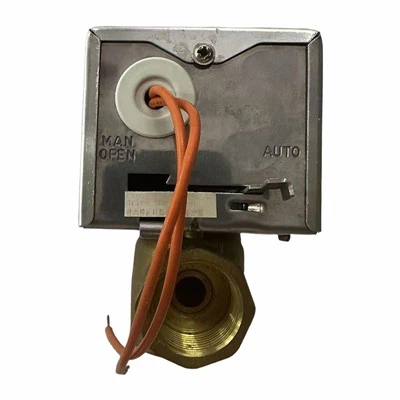
Hey there! As a supplier of fan coil valves, I often get asked about the insulation requirements for these nifty devices. So, I thought I'd take a few minutes to break it down for you.
First things first, let's talk about why insulation is so important for fan coil valves. Fan coil valves play a crucial role in controlling the flow of water or refrigerant in a heating or cooling system. They're like the traffic cops of your HVAC setup, making sure everything runs smoothly and efficiently. But here's the thing: if these valves aren't properly insulated, they can lose a significant amount of energy. That means your system has to work harder to maintain the desired temperature, which can lead to higher energy bills and a shorter lifespan for your equipment.
One of the main insulation requirements for fan coil valves is to prevent heat transfer. In a heating system, you want to keep the hot water or steam inside the valve and pipes, so it can do its job of warming up the space. On the other hand, in a cooling system, you need to keep the cold refrigerant from absorbing heat from the surrounding environment. Insulation helps to create a barrier that reduces heat transfer, making your system more energy - efficient.
Another important aspect is to prevent condensation. When a cold surface comes into contact with warm, humid air, condensation can form. This can lead to all sorts of problems, like rust, corrosion, and mold growth on the valve and nearby components. Insulation helps to keep the surface temperature of the valve above the dew point, preventing condensation from occurring.
Now, let's look at the types of insulation materials that are commonly used for fan coil valves. One popular choice is foam insulation. Foam is great because it's lightweight, easy to install, and has good thermal properties. It can come in pre - formed tubes that fit snugly around the valve and pipes, or in sheets that can be cut and wrapped around the components.
Another option is fiberglass insulation. Fiberglass is known for its excellent heat - resisting properties. It can withstand high temperatures, which makes it suitable for use in both heating and cooling systems. However, it can be a bit more challenging to install compared to foam, and it requires proper safety precautions during handling due to its fibrous nature.
When it comes to the thickness of the insulation, it really depends on a few factors. The operating temperature of the fluid in the valve is a major consideration. For example, if you're dealing with a high - temperature hot water system, you'll need thicker insulation to prevent heat loss. The ambient temperature and humidity in the area where the valve is installed also play a role. In a warm and humid environment, you may need more insulation to prevent condensation.
As a general rule of thumb, for most fan coil valve applications, an insulation thickness of around 1 - 2 inches is sufficient. But it's always a good idea to consult the manufacturer's guidelines or a professional HVAC technician to determine the exact insulation requirements for your specific situation.
Now, here at our company, we offer a wide range of fan coil valves to meet your needs. Whether you're looking for a 110v Fan Coil Motorized 2 - way Valve for a particular voltage requirement, a 24v Fan Coil Motorized 2 - way Valve for more common low - voltage applications, or a 24v Fan Coil Motorized 3 - way Valve for more complex systems, we've got you covered.
When you're choosing a fan coil valve, it's important to think about the insulation compatibility as well. Our valves are designed to work well with different types of insulation materials. We understand that proper insulation is key to getting the most out of your fan coil valve and your overall HVAC system.
If you're in the market for fan coil valves, don't hesitate to contact us for more information. We've got a team of experts who can help you select the right valve for your application and give you advice on the best insulation practices. Whether you're a contractor working on a large - scale building project or a homeowner looking to upgrade your HVAC system, we're here to assist you.
We want to make sure that you not only get a high - quality fan coil valve but also get the best performance and energy efficiency out of it. So, if you've got any questions, or if you're ready to start a purchase negotiation, just reach out to us. We're excited to work with you and help you create a more comfortable and energy - efficient environment.
References:


- ASHRAE Handbook: HVAC Systems and Equipment.
- Manufacture's technical documents for fan coil valves