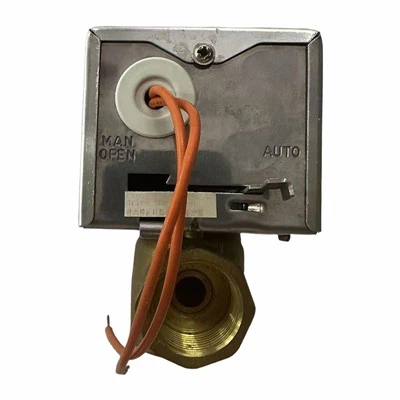
How to Test a Motorized Zone Valve - Hymz
As a reliable supplier of motorized zone valves - Hymz, I understand the importance of ensuring the proper functioning of these valves. Motorized zone valves are crucial components in heating, ventilation, and air - conditioning (HVAC) systems, as they control the flow of fluids in different zones. In this blog, I will guide you through the process of testing a motorized zone valve - Hymz, providing you with the necessary steps and tips to ensure accurate results.


Understanding the Motorized Zone Valve - Hymz
Before we start the testing process, it's essential to have a basic understanding of what a motorized zone valve - Hymz is. These valves are designed to regulate the flow of water or steam in HVAC systems. They are equipped with an electric motor that can open or close the valve based on signals received from a thermostat or a control system. The Hymz series of motorized zone valves are known for their durability, precision, and energy - efficiency, making them a popular choice among HVAC professionals.
Tools Required for Testing
To test a motorized zone valve - Hymz, you will need the following tools:
- Multimeter: This is used to measure voltage, current, and resistance. It is essential for checking the electrical components of the valve.
- Screwdriver set: You will need different types of screwdrivers to open the valve housing and access its internal components.
- Pressure gauge: This tool helps you measure the pressure in the system, which is crucial for determining if the valve is operating correctly.
- Insulation tester: It is used to check the insulation resistance of the motor, ensuring that there are no electrical leaks.
Testing Steps
Step 1: Visual Inspection
The first step in testing a motorized zone valve - Hymz is to conduct a visual inspection. Check the exterior of the valve for any signs of damage, such as cracks, leaks, or corrosion. Inspect the wiring connections to ensure they are secure and free from damage. Loose or damaged wiring can cause the valve to malfunction.
Step 2: Check the Power Supply
Use a multimeter to check if the valve is receiving the correct power supply. Set the multimeter to the appropriate voltage range and measure the voltage at the valve's terminals. For most motorized zone valves - Hymz, the standard voltage is 24VAC. If the voltage is not within the specified range, there may be an issue with the power supply or the wiring.
Step 3: Test the Motor
The motor is the heart of the motorized zone valve. To test the motor, you need to check its resistance. Disconnect the power supply to the valve and use a multimeter to measure the resistance between the motor's terminals. Compare the measured resistance with the manufacturer's specifications. If the resistance is significantly different from the specified value, the motor may be faulty.
You can also test the motor's operation by manually turning the valve shaft. If the shaft turns smoothly, it indicates that the motor is functioning correctly. However, if there is resistance or the shaft does not turn at all, the motor may be damaged or seized.
Step 4: Check the Valve Position
The next step is to check the valve's position. You can do this by observing the valve actuator. Most motorized zone valves - Hymz have a visual indicator that shows whether the valve is open or closed. You can also use a pressure gauge to measure the pressure on both sides of the valve. If the valve is open, there should be a minimal pressure difference between the inlet and the outlet. If there is a significant pressure difference, it may indicate that the valve is not fully open or there is a blockage in the system.
Step 5: Test the Control Signal
The motorized zone valve - Hymz is controlled by a signal from a thermostat or a control system. To test the control signal, you can use a multimeter to measure the voltage at the control input terminals. Apply a control signal and check if the valve responds accordingly. If the valve does not open or close when the control signal is applied, there may be an issue with the control system or the valve's actuator.
Common Issues and Solutions
- Valve not opening or closing: This can be caused by a faulty motor, a damaged actuator, or a problem with the control signal. Check the motor's resistance, the actuator's operation, and the control signal voltage. Replace any faulty components as necessary.
- Leaking valve: A leaking valve can be due to a damaged seal or a cracked valve body. Inspect the valve for signs of damage and replace any worn - out seals or the entire valve if necessary.
- Incorrect valve position: If the valve is not in the correct position, check the control signal and the valve actuator. Make sure the actuator is functioning properly and that the control signal is being sent correctly.
Product Recommendations
As a supplier, I would like to introduce some of our popular products. If you are looking for a motorized 3 - way valve, we offer the Dn25 Motorized 3 - way Valve and the Dn20 Motorized 3 - way Valve. These valves are designed to provide precise flow control in HVAC systems. For applications that require a 2 - way valve, we recommend the Dn25 Motorized 2 - way Valve, which is known for its durability and reliability.
Conclusion
Testing a motorized zone valve - Hymz is a crucial process to ensure the proper functioning of HVAC systems. By following the steps outlined in this blog and using the right tools, you can accurately diagnose and troubleshoot any issues with the valve. If you are in need of high - quality motorized zone valves - Hymz or have any questions about testing or installation, feel free to contact us for further discussion and procurement. We are committed to providing you with the best products and technical support.
References
- HVAC Systems Design Handbook
- Motorized Valve Manufacturer's Manuals