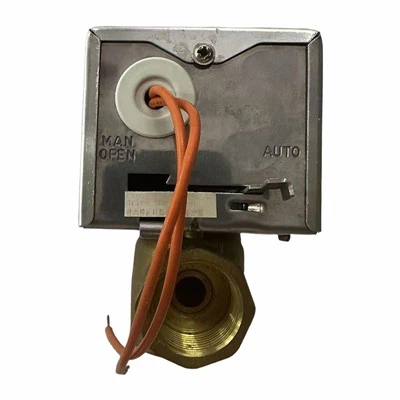
The lifespan of a spring-return damper actuator is a crucial consideration for many customers, whether they are from the HVAC industry, building automation, or other related sectors. As a supplier of top-notch spring-return damper actuators, I often encounter inquiries about how long these actuators can serve effectively. In this blog post, I'll delve into the factors that influence the lifespan of a spring-return damper actuator and provide some insights based on our experience and industry knowledge.
Understanding Spring-Return Damper Actuators
Before we explore the lifespan, let's briefly understand what a spring-return damper actuator is. A spring-return damper actuator is a device used to control the position of dampers in ventilation and air conditioning systems. The "spring-return" feature means that when power is lost, the actuator uses the energy stored in a spring to return the damper to a pre-set position, usually a fully open or fully closed state. This is a critical safety feature in many applications, ensuring proper ventilation or isolation in case of power outages.
We offer a range of spring-return damper actuators, including Spring-return Damper Actuator 10nm/15nm/20nm(230) On/off, Spring-return Damper Actuator 10nm/15nm/20nm(24) On/off, and Spring-return Damper Actuator 3nm On/off. These actuators are designed to meet different torque requirements and voltage specifications, catering to a wide variety of applications.
Factors Affecting the Lifespan of Spring-Return Damper Actuators
1. Quality of Materials
The materials used in the construction of a spring-return damper actuator play a significant role in determining its lifespan. High-quality materials are more resistant to wear, corrosion, and mechanical stress. For example, actuators with gears made from hardened steel are likely to last longer than those with gears made from softer materials. Similarly, the quality of the spring is crucial. A well-made spring can withstand numerous cycles of compression and expansion without losing its elasticity. Our actuators are built using premium materials, ensuring durability and a long service life.
2. Operating Conditions
The environment in which the actuator operates has a profound impact on its lifespan. Factors such as temperature, humidity, dust, and vibration can all affect the performance and longevity of the actuator. In high-temperature environments, the lubricants used in the actuator may break down more quickly, leading to increased friction and wear. Similarly, in dusty or humid environments, the internal components of the actuator may be more prone to corrosion and damage. Actuators installed in areas with high levels of vibration may experience additional stress, which can also shorten their lifespan. To mitigate these effects, proper installation and maintenance are essential. We provide detailed installation and maintenance guidelines to help our customers ensure optimal performance and longevity of our actuators.


3. Frequency of Operation
The number of times an actuator is operated per day, week, or year can also affect its lifespan. Actuators that are frequently cycled on and off will experience more wear and tear than those that operate less frequently. For example, in a building with a variable air volume (VAV) system, the damper actuators may be constantly adjusting to meet the changing ventilation requirements. These actuators will likely have a shorter lifespan compared to those in a system that operates at a relatively constant airflow rate. However, our actuators are designed to withstand a high number of operating cycles, thanks to their robust construction and high-quality components.
4. Installation and Maintenance
Proper installation and regular maintenance are key to maximizing the lifespan of a spring-return damper actuator. During installation, it is important to ensure that the actuator is correctly aligned with the damper and that all connections are secure. Incorrect installation can lead to excessive stress on the actuator, which can cause premature failure. Regular maintenance, such as lubrication, cleaning, and inspection of the actuator's components, can also help identify and address potential issues before they become major problems. We offer technical support to our customers to assist with installation and maintenance procedures.
Typical Lifespan of Spring-Return Damper Actuators
Based on our experience and industry data, a well-designed and properly maintained spring-return damper actuator can have a lifespan of 10 to 20 years. However, this is just an estimate, and the actual lifespan can vary depending on the factors mentioned above. In some applications where the operating conditions are relatively mild and the actuator is not frequently cycled, it may last even longer. On the other hand, in harsh environments or applications with high operating frequencies, the lifespan may be shorter.
Extending the Lifespan of Spring-Return Damper Actuators
To help our customers extend the lifespan of their spring-return damper actuators, we recommend the following practices:
- Choose the Right Actuator: Select an actuator that is suitable for the specific application in terms of torque, voltage, and operating environment. Our technical team can assist you in making the right choice.
- Proper Installation: Ensure that the actuator is installed correctly according to the manufacturer's instructions. This includes proper alignment, secure connections, and appropriate mounting.
- Regular Maintenance: Establish a regular maintenance schedule to lubricate, clean, and inspect the actuator. Replace any worn or damaged components promptly.
- Monitor Performance: Keep an eye on the performance of the actuator. If you notice any unusual noises, vibrations, or changes in operation, investigate and address the issue as soon as possible.
Conclusion
The lifespan of a spring-return damper actuator depends on several factors, including the quality of materials, operating conditions, frequency of operation, and installation and maintenance practices. By choosing high-quality actuators, ensuring proper installation and maintenance, and monitoring performance, you can maximize the lifespan of your spring-return damper actuators and ensure reliable operation of your ventilation and air conditioning systems.
If you are interested in purchasing spring-return damper actuators or have any questions about their lifespan, performance, or installation, please feel free to contact us. Our team of experts is ready to assist you in finding the right solutions for your needs.
References
- Industry reports on HVAC components and their lifespans.
- Our company's internal research and testing data on spring-return damper actuators.